Treatments
Durban Fertility Clinic provides comprehensive fertility treatment with an array of fertility procedures including in vitro fertilization (IVF), intracytoplasmic sperm injection (ICSI), intrauterine insemination (IUI) with donor or partner's sample, comprehensive semen analysis, surrogacy and egg donation. Our certified fertility specialists are recognized and accredited, utilizing cutting-edge practices and state-of-the-art technologies to provide the most advanced care available. We work closely with patients to understand each individual's and/or couple’s personal history and treatment needs. We’ll craft an optimal fertility treatment plan, customized to your specific situation and diagnosis. Schedule a consultation to discuss the best treatment options for you.

Intrauterine Insemination (IUI)
Durban Fertility Clinic provides comprehensive fertility treatment with an array of fertility procedures including in vitro fertilization (IVF), intracytoplasmic sperm injection (ICSI), intrauterine insemination (IUI) with donor or partner's sample, comprehensive semen analysis, surrogacy and egg donation.
Our certified fertility specialists are recognized and accredited, utilizing cutting-edge practices and state-of-the-art technologies to provide the most advanced care available. We work closely with patients to understand each individual's and/or couple’s personal history and treatment needs. We’ll craft an optimal fertility treatment plan, customized to your specific situation and diagnosis. Schedule a consultation to discuss the best treatment options for you.
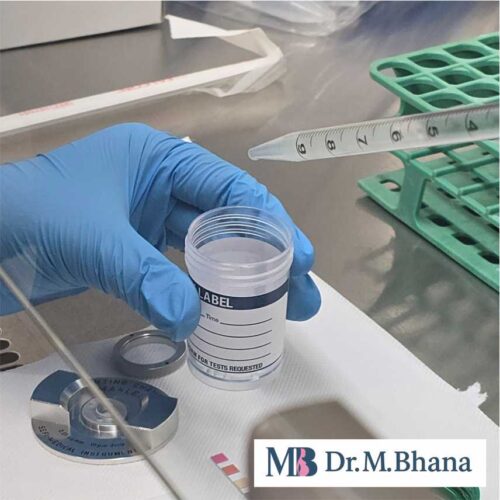
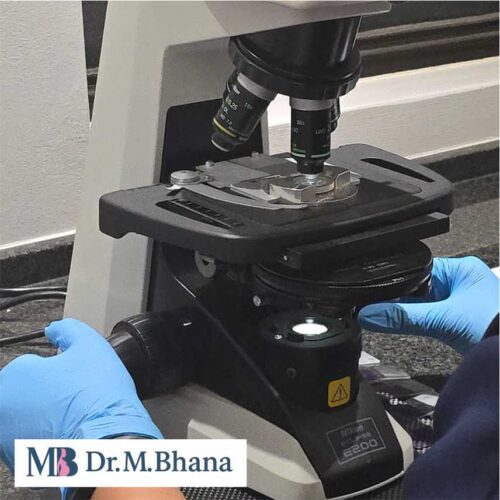
In Vitro Fertilization
At Durban Fertility Clinic we recognize that every family is unique, which is why patient education is one of our top priorities, right alongside the highest possible success rates. We are at the forefront of in vitro fertilization treatment, with individualize patient centered care, state-of-the-art technologies, and we are dedication to your comfort, safety, and peace of mind.
Our team of leading fertility specialists can help your family explore and understand the fertility treatment options available and the right choice for you. IVF is a form of ART whereby mature eggs are collected from the ovary. The eggs are collected by doing a surgical procedure that can be done under local or general anaesthesia. The mature eggs are then placed in a culture dish with the appropriate ratio of sperm and left to be fertilized via natural selection. Once these fertilized eggs develop into embryos after fertilization, they are then placed into the uterus. The placement of the embryos are done by doing a simple procedure without any form of anaesthesia.
Genetic Testing: PGD & PGS
Preimplantation Genetic Diagnosis (PGD) and Preimplantation Genetic Screening (PGS) are techniques whereby cells are removed from the embryo around day 3 or day 5 of its development. Genetic information is then extracted from these cells to assess genetic abnormalities in the embryos. This procedure is offered to patients who have a genetic condition or family history of genetic abnormalities that may be passed onto their baby or in patients with recurrent miscarriages.ntering the egg on its own. This type of fertility treatment is used mainly for male infertility, especially in low sperm count, poor morphology and testicular aspiration or biopsy.
Optionally conducted as a part of IVF treatment, PGS tests embryos for abnormalities in chromosome count. Chromosomal abnormalities can lead to miscarriage or conditions such as Down’s syndrome. If abnormalities are detected, a successive IVF cycle can be conducted and newly tested. PGS can also be utilized for those with family-balancing desires. With PGS, parents-to-be can trust in the health of their baby before implantation.
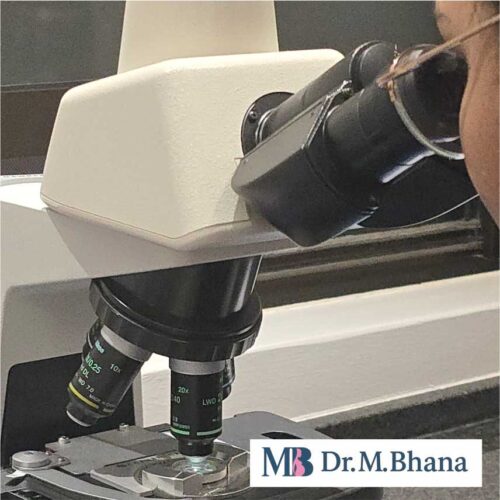
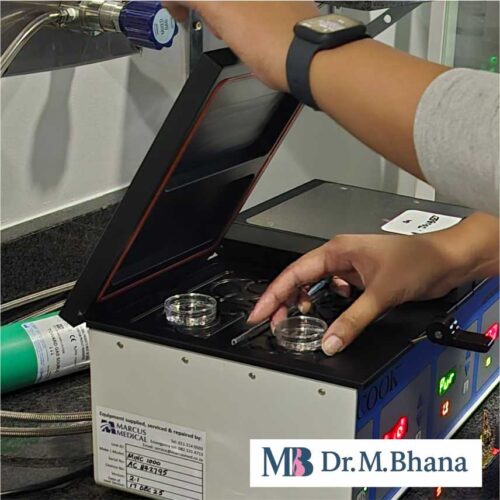
Fertility Preservation
Oocyte cryopreservation is a process in which a woman's eggs (oocyte) are extracted, frozen and stored. Later, when she is ready to become pregnant, the eggs are thawed, fertilized and transferred to the uterus as embryos. In order to retrieve the eggs, the patient will need to take the same hormonal medication as patients having IVF treatment. The eggs are cryopreserved using a procedure called vitrification.The only difference is when the eggs are retrieved they are frozen and not fertilized.
There are many different factors that can lead women to seek fertility preservation or egg freezing, ranging from personal or lifestyle decisions to medical considerations or precautions. Regardless of your personal motivation to preserve fertility, our certified specialists are here to help you every step of the way, starting with your initial consultation and making sure you understand the options available to you.
Male Fertility Testing and Treatment
It is a common misconception that only women face issues with fertility. However, male infertility is not uncommon. Our compassionate staff of certified fertility specialists are committed to your comfort and informed peace of mind. If you think you may be facing male factor infertility, we can help you identify if there is an issue and recommend the best fertility treatment for your needs.
Male factor infertility is a broad term that refers to a number of different conditions that can reduce a man's fertility. These can be easily and painlessly identified with modern testing, which usually involves semen analysis and a thorough screening process. After identifying the cause of infertility, we will work with you to discuss the best treatment options, which can range from therapies that help boost sperm count to in vitro fertilization (IVF).
Ovulation Induction
Ovulation induction usually produces pregnancy rates of 10% to 20% per cycle, depending on a woman's age, diagnosis, and duration of infertility. Among women with certain ovulatory disorders, ovulation induction treatment may even restore normal fertility rates of 20% to 25% per month. If you do not become pregnant within the first three treatment cycles we will discuss other treatment options with you.
A normal menstrual cycle usually produces one mature follicle that results in the ovulation of a single oocyte or egg. Ovulation Induction is a procedure that uses medication to increase the number of eggs ovulated per cycle which may improve the chances of pregnancy. Every patient taking these medications will be monitored closely (during the clinic's cycle monitoring hours) over a 2 - 3 week period of time, via ultrasound and blood tests, to determine their response to the treatment. Based on the results of the patient's ultrasound and blood work, the doctor will adjust the dose of the medication as necessary and inform the patient as to the optimal time for intercourse or intrauterine insemination.